
Peace, Love, and Meditation: A Harmony Guide Through Meditation
- Satori Kensho
- Feb 16
- 4 min read

Finding harmony in our busy lives can sometimes feel like chasing a distant dream. Yet, through the gentle practice of meditation, we can invite peace and love into our daily rhythm. I want to share with you how embracing meditation can open doors to a deeper sense of calm and connection. Whether you are just beginning or looking to deepen your practice, this guide will walk you through the beautiful journey of harmony through meditation.
Embracing Harmony Through Meditation
Harmony is more than just a balance of sounds or colors; it’s a state of being where peace and love coexist within us. Meditation is a powerful tool that helps us cultivate this harmony by quieting the mind and opening the heart. When we meditate, we create space to listen to our inner selves and connect with a higher sense of purpose.
You might wonder, how does meditation bring harmony? It works by slowing down the constant chatter in our minds and allowing us to focus on the present moment. This presence nurtures a peaceful state, which naturally invites love and compassion to grow. Over time, this practice can transform how we relate to ourselves and others.
Here are some simple ways to start embracing harmony through meditation:
Set a daily intention: Begin each session by setting a gentle intention, such as cultivating kindness or patience.
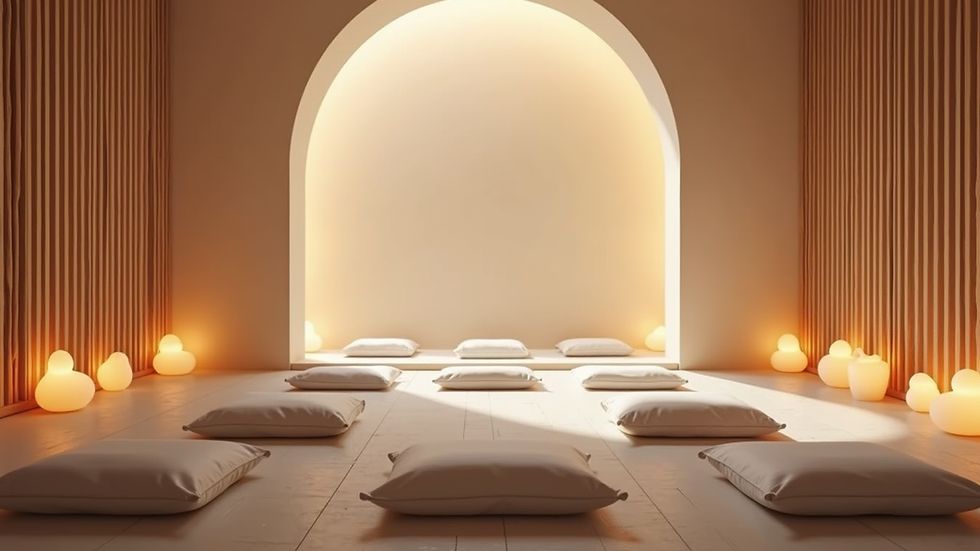
Create a peaceful space: Find a quiet corner where you feel comfortable and undisturbed.
Use guided meditations: These can help you stay focused and provide structure, especially if you’re new to meditation.
Practice gratitude: Reflect on things you are thankful for to open your heart.
By weaving these practices into your routine, you’ll notice a growing sense of balance and well-being.

The Role of Peace and Love in Meditation
Peace and love are the twin pillars that support a fulfilling meditation practice. Peace calms the mind, while love warms the heart. Together, they create a nurturing environment for spiritual growth and self-discovery.
When we meditate, we often start by focusing on our breath or a calming image. This focus helps us release tension and quiet our thoughts. As the mind settles, feelings of peace naturally arise. This peaceful state is not just the absence of noise but a deep sense of contentment and acceptance.
Love enters the picture when we extend this peaceful energy beyond ourselves. Loving-kindness meditation, for example, encourages us to send goodwill to ourselves and others. This practice can soften feelings of anger, fear, or loneliness, replacing them with compassion and connection.
Here are some ways to invite peace and love into your meditation:
Begin with deep breathing: Inhale calm, exhale tension.
Visualize a warm light: Imagine it filling your heart and radiating outward.
Repeat loving phrases: Such as “May I be happy, may I be safe.”
Reflect on shared humanity: Recognize that everyone seeks peace and love.
By nurturing these qualities, meditation becomes a path to healing and harmony.
How do you meditate for peace?
Meditating for peace is a gentle practice that anyone can learn. It’s about creating a quiet space inside where calmness can grow. Here’s a simple step-by-step guide to help you get started:
Find a comfortable position: Sit or lie down in a way that feels relaxed but alert.
Close your eyes: This helps reduce distractions and turn your focus inward.
Focus on your breath: Notice the natural rhythm of your inhaling and exhaling.
Acknowledge thoughts without judgment: When your mind wanders, gently bring it back to your breath.
Use a peace mantra: Silently repeat a word or phrase like “peace” or “calm” to anchor your mind.
Visualize a peaceful place: Imagine yourself in a serene environment, such as a quiet forest or a calm beach.
End with gratitude: Before opening your eyes, take a moment to feel thankful for this time of peace.
Consistency is key. Even five minutes a day can make a difference. Over time, you’ll find that this peaceful state becomes easier to access, even during stressful moments.

Practical Tips to Deepen Your Meditation Practice
As you continue your meditation journey, you might want to explore ways to deepen your experience. Here are some practical tips that have helped me and many others:
Create a routine: Meditate at the same time each day to build a habit.
Keep a meditation journal: Write down your experiences, insights, and feelings after each session.
Explore different techniques: Try mindfulness, loving-kindness, body scan, or guided imagery to find what resonates with you.
Join a meditation group: Sharing the experience with others can provide support and inspiration.
Incorporate gentle movement: Practices like yoga or tai chi can prepare your body and mind for meditation.
Limit distractions: Turn off devices and create a quiet environment.
Be patient and kind to yourself: Meditation is a journey, not a race.
Remember, the goal is not to achieve perfection but to cultivate a gentle awareness and openness. Each session is a step toward greater harmony.
Living a Life of Peace, Love, and Meditation
Integrating meditation into your life can transform not only your inner world but also your relationships and daily experiences. When you carry the calm and compassion from your practice into everyday moments, you become a beacon of peace and love for those around you.
I encourage you to explore the beautiful connection between peace, love, and meditation. If you want to learn more or find resources to support your journey, consider visiting peace love meditate.
By sowing these seeds of harmony, you contribute to a more compassionate and peaceful world. Whether you are seeking spiritual growth, emotional balance, or simply a moment of calm, meditation offers a gentle path forward.
May your journey be filled with light, love, and lasting peace.

Comments