
The Power of Mindfulness and Meditation in Strengthening Communities

Mindfulness and meditation often bring to mind personal benefits like reduced stress or improved focus. Yet, their impact extends far beyond the individual. These practices can play a crucial role in building stronger, more connected communities. When people come together to practice mindfulness and meditation, they create shared spaces of calm, understanding, and support. This blog explores how these ancient techniques help foster community bonds and why they matter today.
How Mindfulness Creates Connection
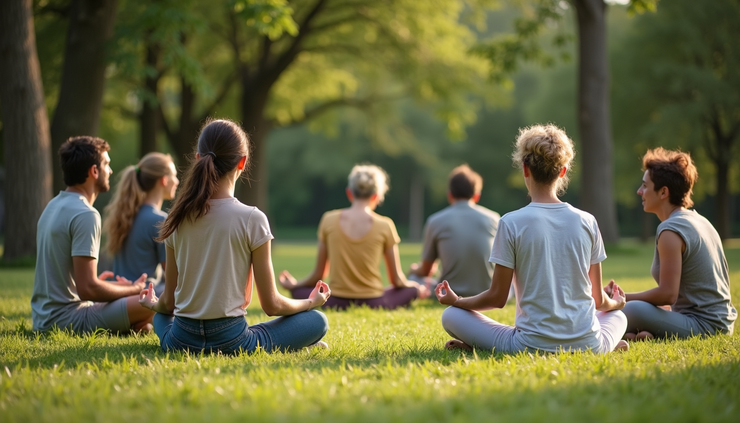
Mindfulness means paying attention to the present moment without judgment. When practiced in groups, it encourages people to slow down and truly listen—not just to themselves but to others. This shared attention builds empathy and reduces misunderstandings. For example, a neighborhood mindfulness group might meet weekly to meditate and then discuss their experiences. Over time, participants report feeling more connected to their neighbors and more willing to help one another.
This connection happens because mindfulness helps people become aware of their own emotions and reactions. When individuals understand themselves better, they can respond to others with kindness instead of reacting impulsively. This shift improves communication and trust, which are essential for any community to thrive.
Meditation as a Tool for Social Healing
Communities often face challenges such as conflict, stress, or trauma. Meditation offers a way to address these issues collectively. Group meditation sessions can create a safe space where people feel supported and less isolated. For instance, after a natural disaster or community crisis, meditation gatherings have helped residents process their emotions and rebuild a sense of safety.
Research supports this effect. Studies show that meditation reduces feelings of anxiety and depression, which can otherwise strain social relationships. When community members feel calmer and more balanced, they are better equipped to work together and support each other.
Practical Ways to Use Mindfulness and Meditation in Communities
Communities can integrate mindfulness and meditation in many practical ways:
Organize regular group sessions in parks, community centers, or schools. These sessions can be guided or silent, depending on participants’ preferences.
Incorporate mindfulness into local events such as fairs or festivals. Short meditation breaks or mindfulness activities can help attendees feel more present and connected.
Train community leaders and volunteers in mindfulness techniques. This training equips them to handle conflicts calmly and foster a positive atmosphere.
Create mindfulness spaces like quiet gardens or meditation rooms accessible to everyone. These spaces offer a refuge from daily stress and encourage regular practice.
Use mindfulness in schools to help students develop emotional regulation and social skills, which benefits the wider community.
Examples of Mindfulness Building Community
Several communities around the world have embraced mindfulness and meditation to strengthen social ties:
In a small town in Vermont, a weekly meditation group grew into a community project that includes mindfulness workshops, volunteer activities, and neighborhood support networks. Participants say the group helped reduce feelings of isolation and increased cooperation.
A city in the UK introduced mindfulness programs in local prisons, which led to improved behavior and better relationships among inmates and staff. This change contributed to a safer environment and smoother reintegration into society.
Indigenous communities have long used meditation-like practices to maintain cultural bonds and collective well-being. These traditions show how mindfulness can preserve identity and foster resilience.
The Role of Technology in Expanding Mindfulness Communities
Technology can help spread mindfulness and meditation beyond physical boundaries. Online meditation groups and apps allow people from different backgrounds to connect and share their experiences. Virtual communities offer flexibility and accessibility, especially for those who cannot attend in-person sessions.
Still, face-to-face interaction remains vital. Combining online and offline practices creates a balanced approach that maximizes the benefits of mindfulness for community building.
Encouraging Mindfulness in Your Community
If you want to bring mindfulness and meditation into your community, start small:
Invite friends or neighbors to a short meditation session.
Partner with local organizations to offer mindfulness workshops.
Share resources like guided meditation recordings or books.
Encourage schools and workplaces to include mindfulness breaks.
By taking these steps, you help create a culture of awareness and compassion that strengthens social bonds.
Be great today!
Satori


Comments